PANDEMIC, SOCIAL INJUSTICE, COPING AND HOPE Living through Layers of Pandemic and Social Injustice: C ontextualized through Voices of Coping and Hope, Part I
By:
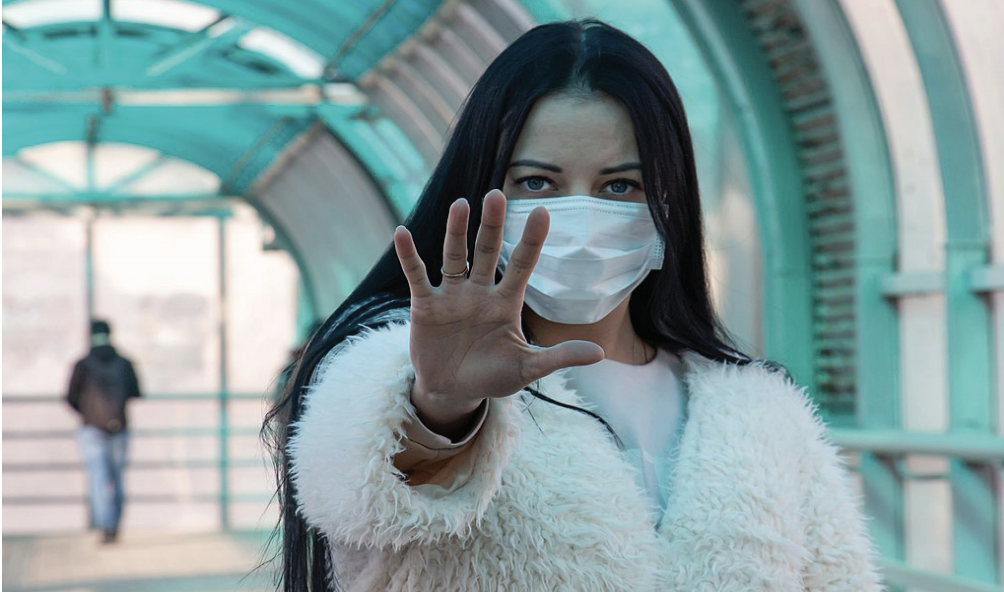
Nothing prepares anyone for life’s adversities. We are faced with the impact of COVID-19, a pandemic with shameless impunity, resulting in occupational disruption felt by all regardless of age, culture, education or location. As if that was not enough, we now grieve and stand together as occupational therapy practitioners and members of the global community after witnessing the senseless death of George Floyd. The shocking visual record of the incident then triggers memories of injustice towards other members of the African American and other marginalized communities. Layered together, the adversities distract us momentarily. They disrupt the roles, habits and routines to which we have become accustomed, thereby disrupting our engagement in living, being productive, and belonging. They leave emotional scars if we let them linger. At the same time, as an occupational being, I wonder what I can and must do for myself, my family and relations, my profession, and the immediate and global communities where I live. Therefore, I decided that through this two-part article, I will share the enlightenment I gather from the literature, professional organizations, and then contextualize them through lived experiences extracted from my conversations with fellow occupational beings, the social media, and written artifacts available to me from popular and scholarly literature. Part I covers the impact of COVID-19 on occupational engagement and shared ways of living during a pandemic. Part II addresses how the recent death of George Floyd and other African Americans has triggered a global response of grief, anger, and a remembrance of similar events in history, and forging a collective conscience about systemic racism and impetus for social change.
Keywords: pandemic, COVID-19, occupational disruption, occupational engagement, occupational resilience, social justice, systemic racism police brutality, collective conscience
Retrieved 07.10.2020 from Introduction
As we evolved as occupational beings, we developed routines, habits, roles, and rituals that make our lives predictable, manageable, efficient, and enjoyable. They keep us well. For example, our occupation of sleep provides rest and restoration preparing us for the day ahead that is likewise predictable, manageable, efficient, and enjoyable. Our health and wellbeing are predicated on our ability to sustain a balance between those that we need to do, those that we do because we are obliged to, and those that we do simply because we enjoy doing them. These are the perspectives that are most useful for me in living my occupational balance, aware that other individuals will have different focal and global ways by which they achieve their own sense of equilibrium, or their sense of occupational balance (Wagman, Håkansson, & Bjorlund,2012). And then, something different can happen – a phone call about an exciting family news, a new baby in the family, or conversely, the departure of a loved one. Regardless of difference, the event creates a disruption which in turn triggers similar responses in our brain that responds to novelty. And for a few minutes, sometimes, hours, we respond with excitement, sadness, or another emotion that provides new opportunities for appropriate (or not) action learning. Not only does our central nervous system thrive on this novelty, it also feeds on the new experiences that move us forward in this world which then can positively impact life expectancy. (Dean, N., 2017; Brunzeck & Duzel, 2006).
However, as mentioned earlier, nothing prepares anyone for life’s adversities, especially when the disruption involves a life-threatening phenomenon such as a pandemic, and later layered with social justice issues. We are faced with the impact of COVID-19, a pandemic with shameless impunity. True to its mission of protecting the nation from health, safety and security threats, the Center for Disease Control (CDC) continually provides information about COVID-19 and guides actions to fight the disease, urging everyone to do the same. Unfortunately, for whatever reason, the nation has been divisive and inconsistent in following recommended precautionary measures and premature opening of businesses (and schools) have resulted in record cases in many parts of the country, including Arizona, Florida, North Carolina, and Texas. Additionally, the University of Minnesota Center for Infectious Disease Research and Policy reports that as of the writing of this article, half of the cases detected with COVID-19 have been individuals age 35 and below, compared to the earlier majority of the elderly referred to then the vulnerable population (Soucheray, 2020). The world is also faced with reactions to the death of George Floyd, referred by family and friends as the gentle giant, in the presence of concerned citizens who pleaded with the police to let him go. Immediately, the video went viral across the globe, and triggered not only rallies about the incident, but also recollection of oppression and death from police brutality and racial discrimination. Rightly so, Fernandez & Burch, (2020) summarized George Floyd’s life that went from his intent to touch it with his life to the final point when he had to beg authority to allow him to breathe. My intent in this reflective article is not only to share what is available in popular and scholarly literature, but also to contextualize it to the human experience and ways of coping extracted from my observations and own experiences, informal group and/or individual conversations, and postings from social media. Hopefully the information can provide comfort in our collective conscience and provide exemplars for coping and living filled with occupational disruption and imbalance. The first article focuses on COVID-19, and the second one focuses on social and occupational justice. It is the least I can do as an individual occupational being.
Approach to Harvesting Information
The approach I used to collect materials for this article needed to be consistent with the purpose of the article, which is to contextualize constructs from scholarly articles surrounding COVID-19 and social injustice. Contextualization lends to attaching authentic, ideal and full meaning to the human experience through exemplars found in its larger, yet intimate settings and backgrounds (Miller & Dingwall, 1997). Gathering these exemplars involved collecting scholarly or popular publications related to COVID-19 and systemic racism and connecting them with past interactions and shared information from Zoom or face-to-face video interactions in classrooms, social events, family gatherings, meals with friends. This combination of published and observed exemplars provided me with the opportunity to track shared experiences and trace the evolution of a collective conscience, which then provided the essential substantiation and methodological dimension for contributing to occupational science literature (Miller & Dingwall, 1997). This allows for a common or alternative, albeit creative way of engaging in living during a pandemic and social injustice, sprinkled with messages and strategies of hope and resilience.
Informed Guidance for Action
The Centers for Disease Control and Prevention (CDC)
Since the beginning of 2020, the US Department of Health and Human Services, through its Centers for Disease Control and Prevention (CDC) has been providing updates and guidance to blend objective science and popular consumption of information to nurture public health. Schuchar (2020) summarized the detection of the initial cases of the novel coronavirus disease 2019 later called COVID-19. Consistent with the CDC mission Schuchar’s report tracked the geographic spread of the pandemic from Wuhan, China, not only in the US but also in other parts of the world. Schuchar also reported other factors that contributed to the rapid initiation and acceleration of infection including travel, events and gatherings, workplaces and other settings such as skilled nursing and long-term care facilities, and hospitals. Today, we see COVID-19 as an emerging, rapidly evolving situation from initial, and cryptic detection and spread in Seattle before any active monitoring of behaviors and preventive measures could be gathered to guide future directions (Bedford, Greninger, Roychoudhury, et al, 2020).
The World Health Organization (WHO)
The World Health Organization (WHO) declared the outbreak of COVID-19 as a disease of emergency proportions and international concern that came with a risk of a worldwide spread in January 2020 and classified it as a pandemic three months later in March. Joining the rest of the public health authorities around the world, WHO took steps not only to contain the pandemic, but also to address the stress that results typically from a pandemic by developing considerations for action developing messages that support mental and psychosocial responses in different target groups during the outbreak. The target groups comprised the general population, healthcare professionals, team leaders or manages in healthcare facilities, people who care for children, vulnerable populations and their care providers, and people in isolation by choice or because they themselves are infected with the virus (World Health Organization, 2020).
The American Occupational Therapy Association (AOTA) and the Accreditation Council for Occupational Therapy Education (ACOTE®)
The response to crisis of the occupational therapy profession goes back to its inception while serving soldiers returning from World War I (Peters & Reed, 2006). This responsiveness has continued to this day as the world faces diseases emanating from natural disasters, war, terroristic attacks and now COVID-19. With the recent entrée of corona virus 2019, the American Occupational Therapy Association expressed its advisory opinion through its Ethics Commission so that practitioners could negotiate the escalating moral distress related to the dilemma they face in providing care versus protecting their health or that of their loved ones (AOTA, 2020b).
With challenges faced by occupational therapy educational programs, the Accreditation Council of Occupational Therapy Education (ACOTE®) has responded with a continual watch on the pandemic, while providing flexibility for occupational therapy and occupational therapy assistant programs to implement essential changes in delivering their curriculum. It is after all, important to maintain the authority of the ACOTE® as the accrediting agency, which in turn results in protecting the quality of educational programs where the bottom line as stated in its preamble is the protection of students and the consumer public (ACOTE®, 2020). It also recognizes the US Department of Education’s release of a broad approval to use distance education, adjustments made without requesting for prior ACOTE® approval is only temporarily effective, and only effective during the pandemic. Once the pandemi is over, the temporary authorization will be lifted, and any program that opts to continue using the distance education model, if that is not their primary mode of delivery, will have to seek ACOTE® approval before continuing.
The World Federation of Occupational Therapists (WFOT)
The WFOT has been a stalwart of readiness for disaster preparedness, addressing any issue that poses a threat to living, maintaining health and wellbeing of individuals and populations around the globe. Shortly after the WHO announced SARS-COV-2, also referred to as novel coronavirus 2019 or COVID-19, the WFOT published its public statement on occupational therapy’s response to the pandemic. It restated to the world public what the word “occupation” meant to include those that humans have to do, choose to do, and are required to do in order to occupy their time and place as occupational beings (WFOT, 2020). In its public statement the world federation also reiterated the construct of occupational justice to be a human right so that individuals and populations can continue to engage in occupations so that they can survive and find meaning in their journey towards their and their community’s wellbeing. Within this statement was the implication of responding ethically to the needs of the community as occupational therapy professionals to provide access by consumers to our services so they can continue engaging in necessary and chosen occupations as optimally as possible. This ethical responsibility includes the traditional manner by which occupational therapy looks like. It also provides opportunities occupational therapists to participate differently in disaster disasters such as hurricanes or earthquakes but in this case, a pandemic related to a deadly virus. For example, an occupational therapist in Richmond, VA who joined a group called RVA Masks 4 Health and continued to make masks using her 3-D printer. In doing so, she was able to create adaptive protective technology and continue her role as an occupational therapist while she was teleworking to the schoolchildren who were homebound (McKee, 2020). But there are many other situations that globally, occupational therapists can hop out of their traditional roles, and into serving people affected by COVID-19, including those who are quarantined, and those who isolated in a hospital or another setting with active COVID-19 using face-to-face or telehealth modalities. Roles, Routines, Habits, Rituals and Traditions As of the writing of this article, the fourth edition of the Occupational Therapy Framework (OTPF 4th Edition) is in publication. In its early iterations, it began as the Uniform Terminology for Occupational Therapy (1979). It has continued to guide occupational therapy practice is now referred to as the OTPF 4th edition or simply OPTF 4. Periodic revisions project a dynamic profession that flexes with the times for best practice (AOTA 2020a). The proposed revision shows an increased recognition to address individuals but also groups and populations in the entire document. The proposed document identifies the foundations of occupational therapy in its contribution to practitioner success, including a mention of the important role of occupational science (OS) in the practice of occupational therapy, and the inclusion throughout the document of OS concepts such as occupational justice, marginalization, deprivation, identity, satisfaction, engagement, and performance, among others. This is a significant and necessary recognition of synergistic relationship between science and practice (Carrasco, 2019). The draft also includes clarification of terminology and revisions to be consistent with the WHO taxonomy from the International Classification of Functioning (ICF). Among clarifications include definitions of occupation and activity, sexual activity, and some client factors such as interoception, as well as preparatory methods and outcomes. Like other revisions, those in the Performance Patterns OPTF 4 section provide substantiation and clarification of occupational roles, routines, habits and rituals. It provides guidance for the practitioner in understanding why human beings do what they do while performing their daily occupations whether considered healthy or not. During times of challenge such as during a pandemic, roles, habits, routines and rituals can be disrupted. Recognizing the importance of routines and habits to life balance and satisfaction, the Substance Abuse and Mental Health Service Agency (SAMHSA) published a guide to recognizing the disruption and a guide to wellness that any individual can utilize during the pandemic (SAMHSA, 2020). A summary of the guide is included in a later section of this article. To some, occupational therapy practitioners already have educational and experiential skills to navigate the pandemic, but also in helping those who need assistance in reconstructing or adapting their life after occupational disruption (Hammell, 2020). Disruptions experienced by students, healthcare providers, businesses, educational institutions have flooded social media and personal conversations or meetings (DWNews, 2020, Carrasco, 2020b). The next section will provide some useful strategies that can be helpful in navigating professional and personal engagement in living in the midst of a pandemic.
Action Plan, Recommendations
This section provides strategies available from selected sources or shared by colleagues and students. Hopefully, they will be applicable and helpful to navigate professional and personal engagement in living during a pandemic. As mentioned in an earlier section, Hammell (2020) recognized the advantage occupational therapists from their professional training that arms them with skills needed to respond to the demands of a global pandemic. Supplemented by the experience derived from witnessing and helping clients in reconstructing their occupational disruption after a life altering event, while supported by evidence derived from the literature, occupational therapists can act on their strong belief in the power of doing. This is based on the core of belief in occupation passed on from generation to generation of occupational therapy professionals since its inception over 100 years ago. In its response to the pandemic, AOTA (2020c) published decision guides and case samples for practitioners and administrators in solving problems and surmounting challenges of delivering quality care in a safe, healthy environment for everyone. Conversations with graduate student cohorts shared common themes of disruption in their occupation as future health care workers accompanied by shared experiences of emotional support and common strategies in striking a livable balance in an otherwise altered life student routines and habits (Carrasco, 2020). Life for the quarantined students included feelings of isolation, loss of sense of time and accomplishment, so that days seemed to blend into each other. On the other hand, the shared experiences included feelings of appreciation of support provided, as well as the inner strength required to respond adaptively to changes over which admittedly, they did not have any control
SAMHSA (2020) promoted the concept of life balance as essential in maintaining wellness, recognizing that similar to the occupational science construct of occupational balance, its meaning and contribution to a life balance is influenced by individual differences, culture, situations, and several other variables. This is also consistent with the meaning of “occupation” put forward by the WFOT that is inclusive of those that humans have to do, choose to do, and are required to do in order to occupy their time and place as occupational beings (WFOT (2020). SAMHSA’s message is for occupational therapists and the public to recognize that as health professionals we need to re-balance ourselves from time to time, and to give ourselves permission to take the control of our routines, habits in order to preserve the roles and rituals that we have become accustomed in order to stay healthy and maintain human and non-human relationships as well as communities and populations. The step-by-step guide to wellness and to create a healthier life from SAMHSA includes recognition of the following: embracing or providing support from/to others; respecting our self-defined routines and habits as a metric in performing our roles and routines in our milieu; find time to new and already used wellness practices such as meditation, mindfulness activities, video or audio visits, among other; seek out new meaningful engagements such as a virtual cooking club, weekly family Facetime visits, Zoom cocktail parties, etc.; implement a rest and restoration protocol that includes sleep hygiene; design a new or a novel physical wellness plan; take an active part in preparing healthy food, including a visit to USDA’s
Choose My Plate or
Food Pyramid; if a smoker, try out tools to help reduce or altogether quit smoking. These are just some of the SAMHSA recommendations to maintain wellness during the pandemic.
Find more information here. Summary & Reflection
This is the first in a series of two articles on engaging in living amidst the COVID-19 pandemic and systemic racism. I used a methodology of collecting materials that is consistent with the purpose of the article, which is to contextualize constructs from scholarly articles surrounding COVID-19 and social injustice. By including a contextualization component, I strived to attach authentic, ideal and full meaning to the human experience by pulling from shared human experiences found in the larger, yet intimate settings and backgrounds from the lives of students, health care workers, scholars and educators. (Miller & Dingwall, 1997; Mckee, 2020; and Carrasco, 2020). This allowed for a common or alternative, albeit creative way of engaging in living during a pandemic and social injustice, sprinkled with messages and strategies of hope and resilience. The second article in the series will use a similar methodology of contextualization.
Hopefully, the two articles will provide a way of using information from scholarly and popular sources in carving adaptation strategies in navigating new challenges that surround pandemic survival and open tough conversations about systemic racism. Maybe, the conversations will translate initial responses of grief and anger to forge a collective conscience about systemic racism and impetus for social change.
References
AOTA. (1994). Uniform Terminology for Occupational Therapy. Third Edition. 48, 1055-1059. AOTA. AOTA. (2020a). Occupational Therapy Practice Framework: Domain and Process 4th Edition Review. AOTA. Retrieved 07.10.2020from AOTA. (2020b). The American Occupational Therapy Association advisory opinion for the Ethics Commission: An ethical response to the COVID-19 pandemic. AOTA. Retrieved 07.03.2020 from AOTA (2020c) COVID-19 Decision Guides. AOTA. Retrieved 07.03.2020 from ACOTE (2020d) COVID-19 Announcement, ACOTE Statement. ACOTE. Retrieved on 07.08.2020 from Bedford T, Greninger AL, Roychoudhury P, et al. (2020). Cryptic transmission of SARS-CoV-2 in Washington State. Preprint. medRxiv. Retrieved 07.05.2020 from Brunzeck N & Duzel, E. (2006). Absolute coding of stimulus novelty in the human substantia nigra/VTA. Neuron, 51: 369-379. Doi: 10.1061/j. neuron.2006.06.021 Carrasco, R. C. (2019). Unleashing the synergy between occupational science and occupational therapy. FOCUS Quarterly. Spring 2019. 21-24 Carrasco, R. C. (2020). Living amidst a pandemic and social injustice. [OTDialogue Minutes, 06.11.2020] Dean, N. (2017) The importance of novelty. Retrieved 06.19.2020 from DWNews. (2020). How the coronavirus pandemic affects the world’s working poor | COVID-19 Special. April 10, 2020. Retrieved 07.12.2020 from Fernandez, M. & Burch, A. (2020). George Floyd, from ‘I want to touch the world’ to ‘I can’t breathe.’New York Times. Retrieved 06.26.2020 from McKee, K. (2020). OT Month Spotlight: How One OT is Giving Back Amid COVID-19. WebPT. Retrieved 07.11.2020 from Meyer A. (1977). The philosophy of occupation therapy. American Journal of Occupational Therapy. 31: 639-42. Miller, G. & Dingwall, R. (1997) Network analysis and qualitative research: A method of contextualization. In Miler, G. & Dingwall, R. (Eds.). (1997) Context and method in qualitative research. Newbury Park, CA. Sage Peters, C., & Reed, K. (2006). Occupational therapy values and beliefs, part II: The great depression and war years. OT Practice, 11(18), 17–22. SAMHSA. (2020). Creating a healthier life: A step-by-step guide to wellness. Retrieved 07.03.2020 from. Soucheray, S. (2020). COVID-19 cases among US young adults spike. University of Minnesota. Retrieved 06.26.2020 from Wagman, P., Håkansson, C., & Björklund, Anita (2012) Occupational balance as used in occupational therapy: A concept analysis. Scandinavian Journal of Occupational Therapy. 19:4, 322-327, DOI: 10.3109/11038128.2011.596219 WHO. (2020). Mental health and psychosocial considerations during the COVID-19 outbreak. WHO/2019-nCoV/ MentalHealth/2020.1. WHO. Retrieved 07.03.2020 from WFOT. (2020). Public Statement - Occupational Therapy Response to the COVID-19 Pandemic.


 FOTA21 Conference: Student Poster Submissions